
4 min readNew DelhiJul 26, 2026 01:59 PM IST
The United States is witnessing an unusual surge in cyclosporiasis, a gastrointestinal illness caused by the microscopic parasite Cyclospora cayetanensis. More than 4,000 cases and 80 hospitalisations have been reported across over 30 states, with health officials linking a multistate outbreak to contaminated shredded iceberg lettuce served at restaurants.
The outbreak has raised questions about the safety of raw produce and whether simply washing fruits and vegetables is enough to protect against infection.
According to Dr Bhushan Bhole, Senior Consultant, GI Surgery and Liver Transplantation, PSRI Hospital, good food hygiene is essential, but it has its limitations.
DISCLAIMER: This article is based on information from the public domain and/or the experts we spoke to. Always consult your health practitioner before starting any routine.
What is cyclosporiasis and how does it spread?
“Cyclosporiasis is an intestinal infection caused by the microscopic parasite Cyclospora cayetanensis,” says Dr Bhole.
People become infected after consuming food or water contaminated with the parasite. Unlike many bacteria, however, Cyclospora cannot immediately infect another person after being passed in stool.
“The parasite has to spend days to weeks in the environment before it becomes infectious. This is why contamination usually occurs during cultivation, irrigation, harvesting, washing or processing when fresh produce comes into contact with contaminated water or poor sanitation,” Dr Bhole explains.
Story continues below this ad
He adds that outbreaks are most commonly associated with raw produce such as lettuce, cilantro, basil, raspberries and other leafy greens, because these foods are often eaten without cooking, allowing the parasite to survive.
Why are leafy greens especially vulnerable?
The recent outbreak has been linked to shredded iceberg lettuce, and according to Dr Bhole, there are several reasons why leafy vegetables are particularly susceptible.
“Leafy greens have multiple layers and folds where microscopic contaminants can cling. Iceberg lettuce is especially vulnerable.”
Shredded lettuce poses an even greater challenge. “Cutting increases the surface area, and shredded lettuce is often mixed from multiple farms during processing. If contamination occurs at any stage—from irrigation and harvesting to packaging or transport—the parasite can spread to consumers.”
Story continues below this ad
Since lettuce is typically eaten raw, there is no heat treatment to destroy the parasite before consumption, he adds.
Can washing produce prevent Cyclospora infection?
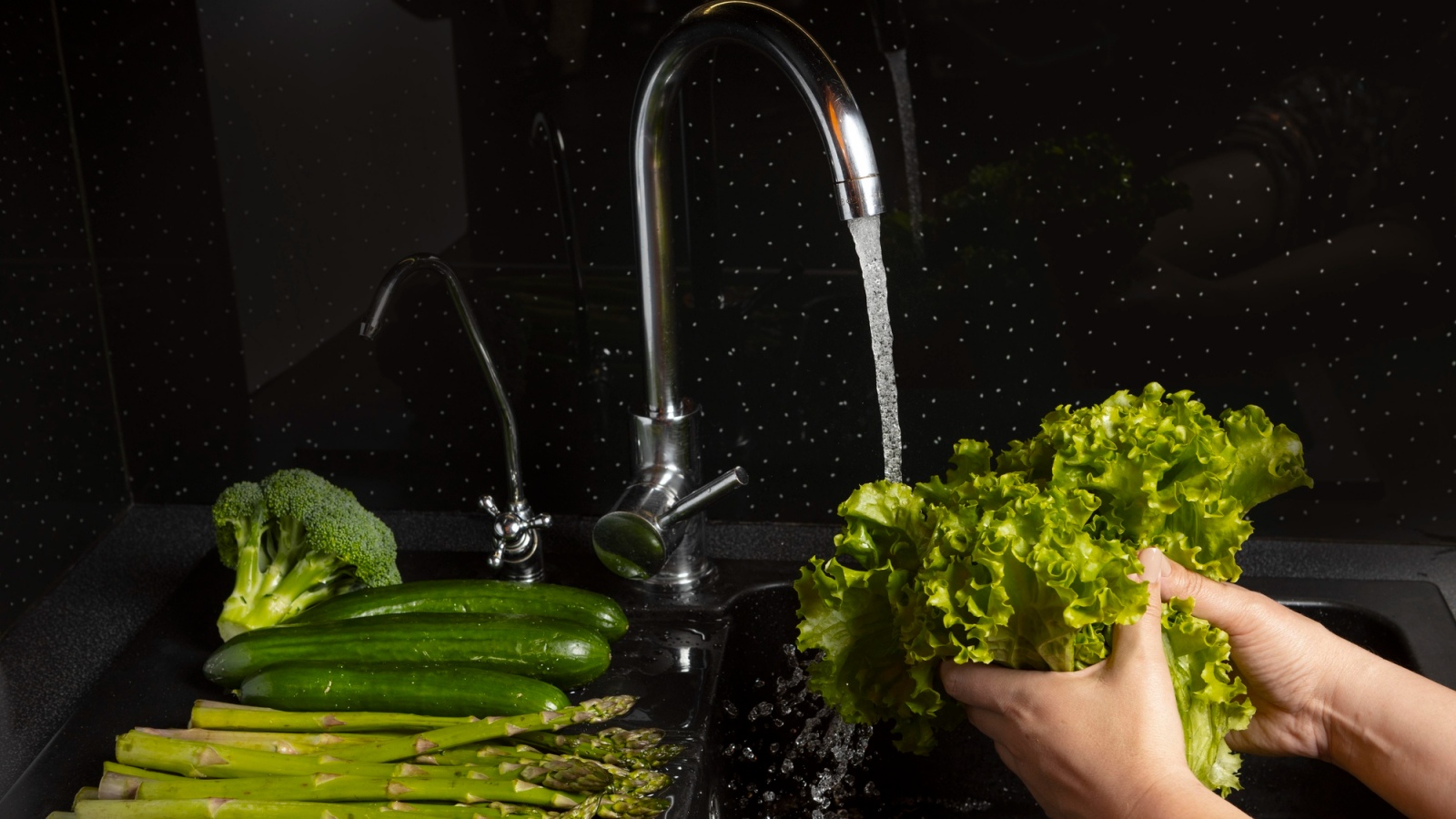
“Rinsing produce under running water helps remove dirt, debris and some microorganisms, but washing alone cannot completely protect against Cyclospora.”
The parasite is extremely small and adheres firmly to the surface of produce, particularly leafy vegetables with folds and crevices.
“Even vigorous washing may not remove all the parasites. Washing should therefore be viewed as one layer of protection rather than a guarantee against infection, ” he adds.
Story continues below this ad
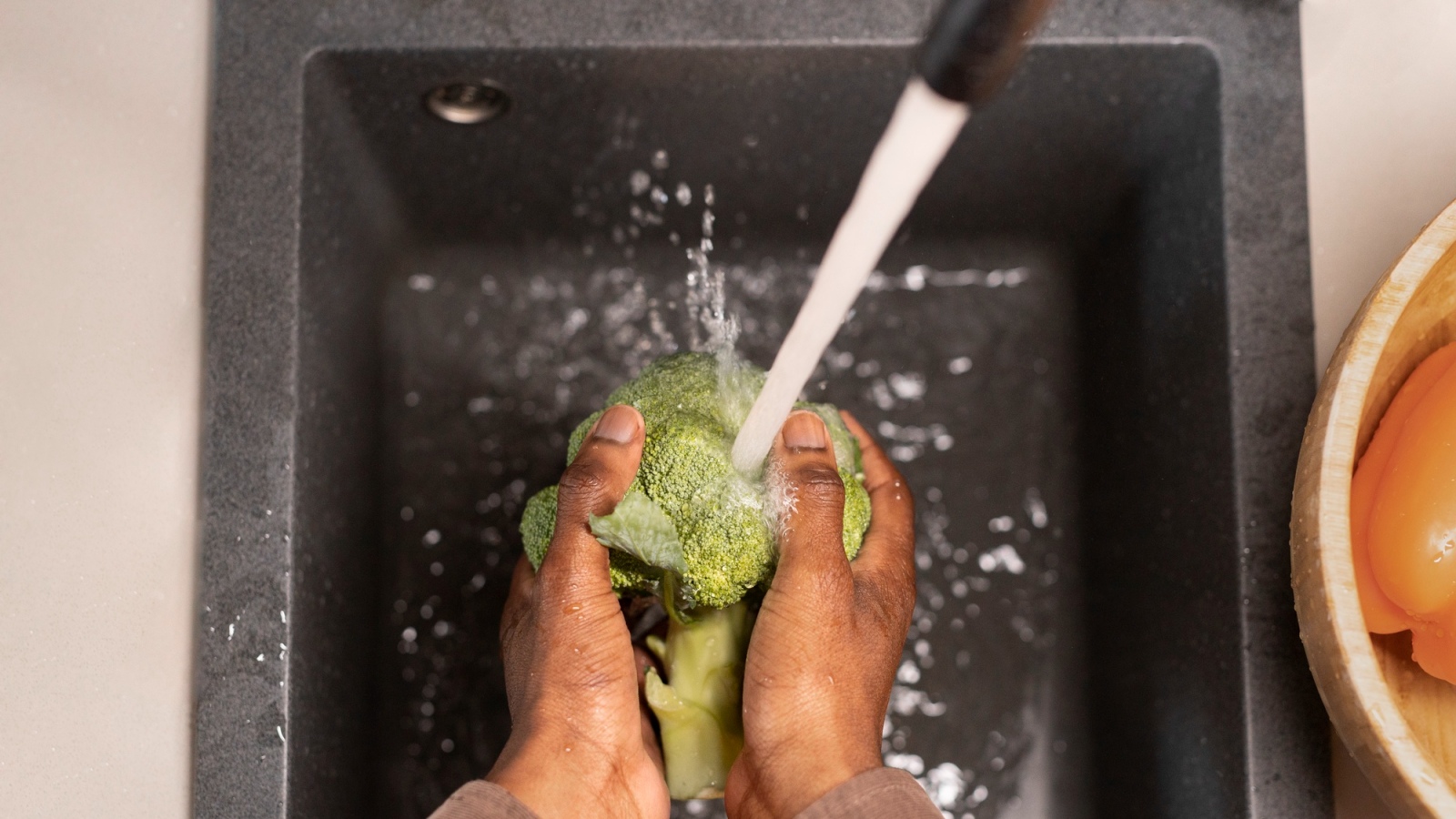 Is washing fruits-vegetables enough to kill bacteria? (Photo: Magnific)
What symptoms should you watch out for?
“The hallmark symptom is prolonged watery diarrhoea, which may last for days or even weeks if left untreated,” says Dr Bhole.
Other symptoms include:
* Abdominal cramps
* Bloating
* Nausea
* Loss of appetite
* Fatigue
* Low-grade fever
* Weight loss
* Occasional vomiting
Unlike bacterial food poisoning, which often begins within hours, or viral gastroenteritis, which typically resolves within two to three days, cyclosporiasis has a longer incubation period and symptoms may come and go over several weeks, he explains.
How can you reduce your risk?
Although washing alone cannot eliminate the parasite, Dr Bhole says several precautions can lower the risk of infection:
Story continues below this ad
* Wash fruits and vegetables under clean running water before eating.
* Practise good hand hygiene before handling food.
* Refrigerate perishable foods promptly.
* Stay informed about food recalls and public health advisories.
* Avoid consuming products specifically linked to an outbreak.
“If health authorities identify a particular food as the source of an outbreak, the safest approach is to avoid that product altogether,” he says.
DISCLAIMER: This article is based on information from the public domain and/or the experts we spoke to. Always consult your health practitioner before starting any routine.