
4 min readJul 23, 2026 09:33 PM IST
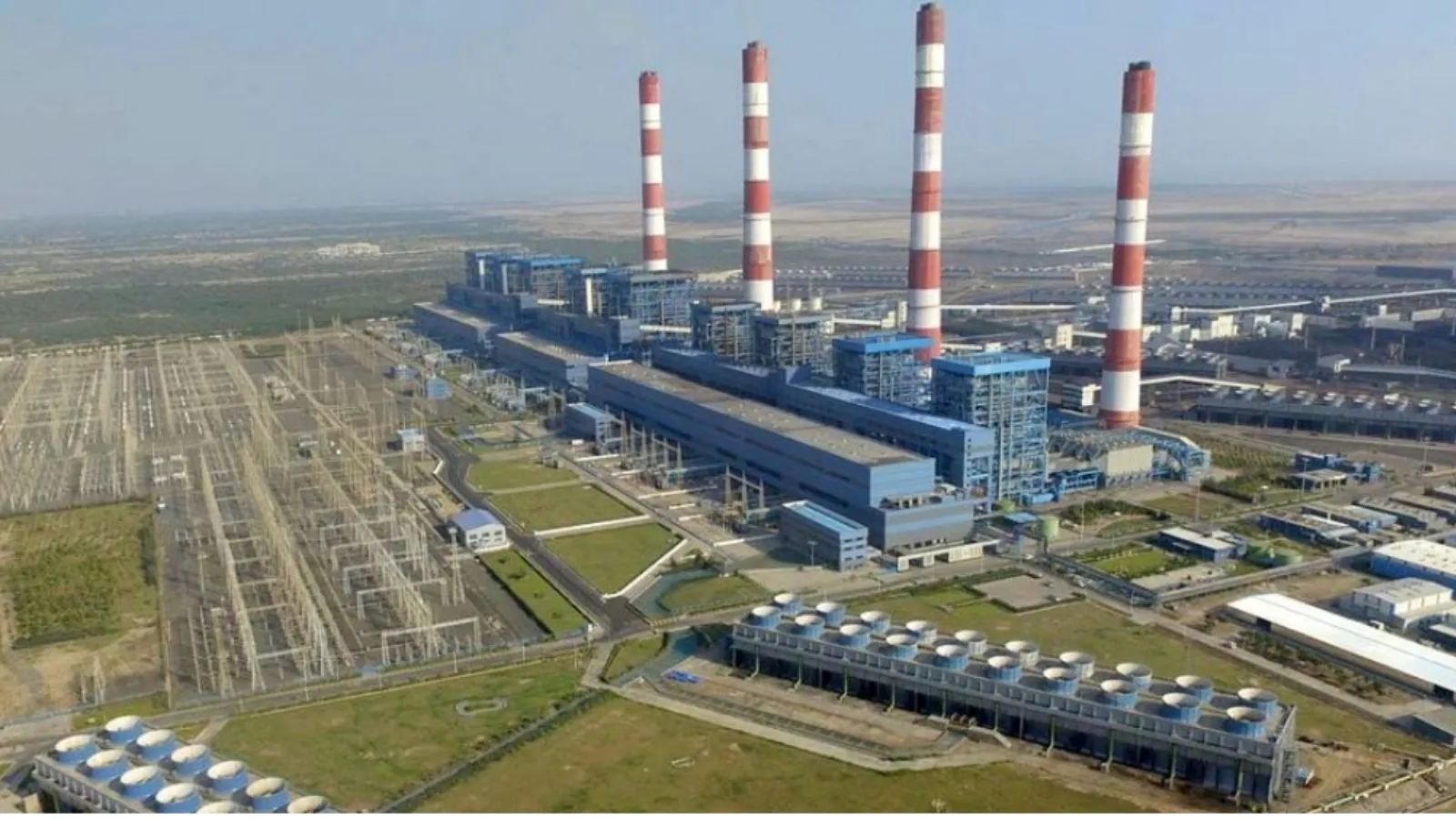
Adani Power is evaluating two sites in Madhya Pradesh — Bina and Nigrie — for possible nuclear power projects. Both sites currently house thermal power plants that were acquired by the Adani Group through its takeover of Jaiprakash Associates’ power assets.
In a post earnings call, the company said the sites have substantial land banks and are being evaluated for their potential to host future nuclear power projects as part of its expansion plans.
“So, fortunately, going forward, we will have this as a land bank available, whether we want to go for expansion of thermal or whether we want to go for nuclear,” the company said. “In the case of Bina, we are also exploring the possibility of whether we can develop the nuclear, whether the site is conducive from the point of view of various requirements. So, we have not yet planned anything, but these are the two sites where a good land bank is available and going forward, these sites will be obviously available for any growth opportunity,” it added.
‘Waiting for SHAANTI act rules’
Adani Power is targeting 10 gigawatt-electric (GWe) of nuclear capacity by 2035 and is in the process of identifying sites for project location.
This comes as the country plans to add 100 GWe of nuclear power capacity by 2047 and also opened up the tightly regulated civil nuclear sector to private participation last year. Out of this, around 54 GWe will be developed by state-owned Nuclear Power Corporation of India Ltd (NPCIL) while the balance of 46 GW is expected to be set up by other Public Sector Enterprises (Central & State), State Governments, Private sector and Joint Ventures in different business models. Currently, the government is readying the rules under the SHANTI Act.
The company maintained that studies were underway and they are keeping potential sites ready so that it could move quickly once there is clarity over the rules. It is waiting for the rules to take a firm call on technology tie-ups.
“Nevertheless we are evaluating both domestic and the outside technologies, and it will all depend on what would be the most effective in terms of per megawatt cost. Because at the end of the day, electricity has to be viable for the Indian consumers and the type of rates which are affordable to discoms, the project cost has to be in that range,” the company said.
Repurposing thermal power plants
Story continues below this ad
While there are no further details on the company’s plan over the identified sites, it comes amid the government push for repurposing ageing coal-fired power infrastructure for nuclear power development. In this direction, a government panel has also shortlisted at least three old thermal power plant sites for setting up of new nuclear power projects.
In order to remove hurdles related to nuclear exclusion zone requirements for these sites, the government is considering a proposal to reduce exclusion zone requirements around future nuclear plants. Currently, nuclear reactors are required to maintain a minimum exclusion zone of around 1 km radius around the reactor site, within which no habitation or economic activity is permitted. Under the new proposal, the exclusion zone for 700 megawatt-electric (MWe) reactors could be reduced from 1 km to 700 metres, while the exclusion zone for smaller 220 MWe reactors could be reduced to 500 metres.
This proposal has already been reviewed by AERB and the Department of Atomic Energy (DAE) from both safety and security perspectives, and has received in-principle agreement.